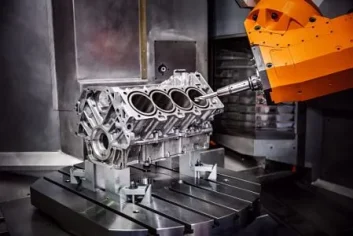
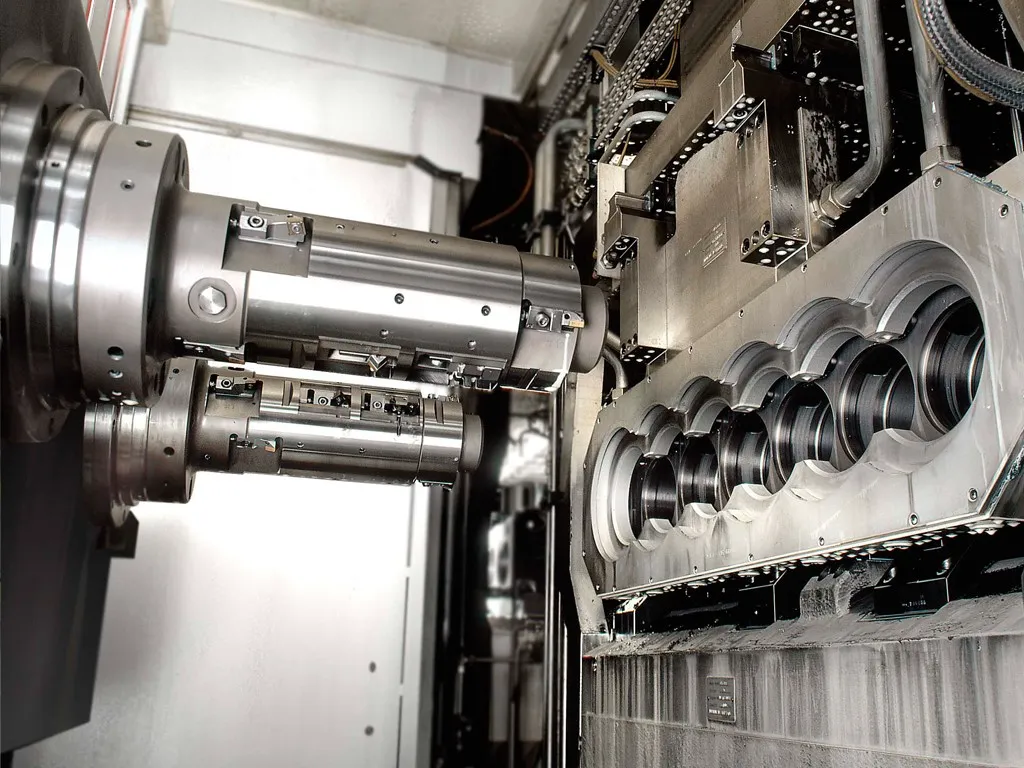
Metal 3D Printing Service
Industrial-grade parts in stainless steel, aluminum, and titanium.
- Tolerances: ±0.05 mm
- Build size: up to 325 × 325 × 400 mm
- Lead time: as fast as 3 days
Metal 3D Printing Services
What is Metal 3D Printing?
Metal 3D printing is an additive manufacturing technology that creates fully dense metal parts directly from digital CAD files. Instead of cutting material away, layers of fine metal powder are fused together with a high-energy laser or electron beam. It can produce complex, strong, and lightweight components that traditional machining or casting cannot easily achieve.
- DMLS/SLM: A laser fuses fine layers of metal powder to create highly detailed and mechanically strong parts.
- EBM: Uses an electron beam instead of a laser, suitable for high-performance alloys like titanium in aerospace and medical applications.
- Binder Jetting: Deposits a binding agent onto a powder bed, followed by sintering. It allows larger build volumes and cost-effective production.
Metal 3D Printing Capabilities
Capability | Specification | What It Means for You |
|---|---|---|
Maximum Build Size | Up to 300 × 300 × 300 mm (varies by material & process) | Allows production of medium-sized functional parts in one build, reducing assembly needs. |
Minimum Wall Thickness | As thin as 0.8–1.0 mm | Enables lightweight designs and fine features without sacrificing strength. |
Layer Thickness / Resolution | 0.05 – 0.12 mm | Fine detail reproduction with smooth surface finish, ideal for complex geometries. |
Dimensional Accuracy / Tolerance | Typically ±0.2 mm or ±0.2% (whichever is greater) | Ensures reliable fit and function for prototypes and low-volume production. |
Typical Lead Time | 7–10 business days from file approval | Faster turnaround compared to traditional tooling, keeping your project on schedule. |
Materials for Metal 3D Printing
Stainless Steel
Known for its excellent corrosion resistance, even in harsh environments such as seawater or acidic conditions. It also offers good weldability and polishability, making it versatile for post-processing.
Applications: Chemical processing equipment, food-grade components, and medical instruments where durability and hygiene are critical.
Aluminum (AlSi10Mg)
A lightweight alloy—about one-third the weight of steel—yet with good mechanical strength and excellent thermal conductivity. It is easy to machine, anodize, and surface treat.
Applications: Automotive lightweight parts, consumer electronics housings, UAV structures, and heat exchangers.
Titanium Alloy (Ti6Al4V)
Offers an outstanding strength-to-weight ratio, excellent corrosion resistance, and proven biocompatibility for medical use. Ideal when both performance and weight savings are critical.
Applications: Aircraft engine components, surgical implants, and high-performance sports equipment.
Inconel 718 / 625
A nickel-based superalloy designed for extreme conditions. It maintains high strength and creep resistance above 700°C while resisting oxidation and corrosion.
Applications: Gas turbine blades, exhaust systems, and energy industry components exposed to extreme heat and pressure.
Cobalt-Chrome (CoCr)
Highly wear-resistant and polishable, with excellent biocompatibility for long-term use. It retains mechanical stability under stress and is widely used in demanding environments.
Applications: Dental restorations, orthopedic implants, and engine components that require superior wear resistance.
Tool Steels
Deliver very high hardness and wear resistance while maintaining toughness after heat treatment. Well-suited for demanding tooling and mold applications.
Applications: Injection mold inserts, stamping dies, and high-strength fixtures that require long tool life and dimensional stability.
Surface Finishes & Secondary Processes
Finish / Process | Effect on Appearance | Effect on Mechanical Properties | Impact on Cost & Lead Time |
|---|---|---|---|
Polishing | Creates smooth or glossy surfaces, suitable for cosmetic parts | No major change in strength, but improves surface quality | Adds labor time, slightly higher cost, 1–2 days extra lead time |
Machining | Achieves precise surface geometries and dimensional corrections | Improves accuracy, allows tighter tolerances | Moderate cost increase depending on complexity |
Heat Treatment | May darken or change color slightly | Enhances hardness, strength, and wear resistance | Additional processing step, extends lead time by several days |
Grinding | Produces very smooth and flat surfaces | Improves dimensional accuracy and surface integrity | Cost rises with tolerance requirements, longer setup |
Coating (e.g., PVD, painting) | Wide range of colors/finishes, decorative or protective | Improves corrosion and wear resistance | Increases cost, lead time depends on coating type |
Sandblasting / Dyeing | Matte or textured finish, uniform surface appearance | No significant structural change | Low to moderate cost, usually quick turnaround |
Plating (e.g., chrome, nickel) | Metallic decorative look, reflective finish | Adds corrosion resistance and surface hardness | Higher cost, longer lead time, requires specialized setup |
Applications & Industry Use Cases

Automotive
Metal 3D printing enables lightweight, high-strength parts such as heat exchangers, brackets, and custom exhaust components. By reducing part weight without compromising durability, automakers improve fuel efficiency and support EV performance.

Aerospace
The technology allows complex geometries like turbine blades, fuel nozzles, and lightweight structural brackets that traditional machining cannot achieve. With certified alloys such as Inconel and titanium, aerospace projects meet both performance and regulatory standards.

Medical
Biocompatible materials such as Titanium (Ti6Al4V) and Cobalt-Chrome make it possible to produce surgical implants, dental restorations, and custom orthopedic devices. We deliver patient-specific solutions while ensuring compliance with ISO and FDA-related documentation.
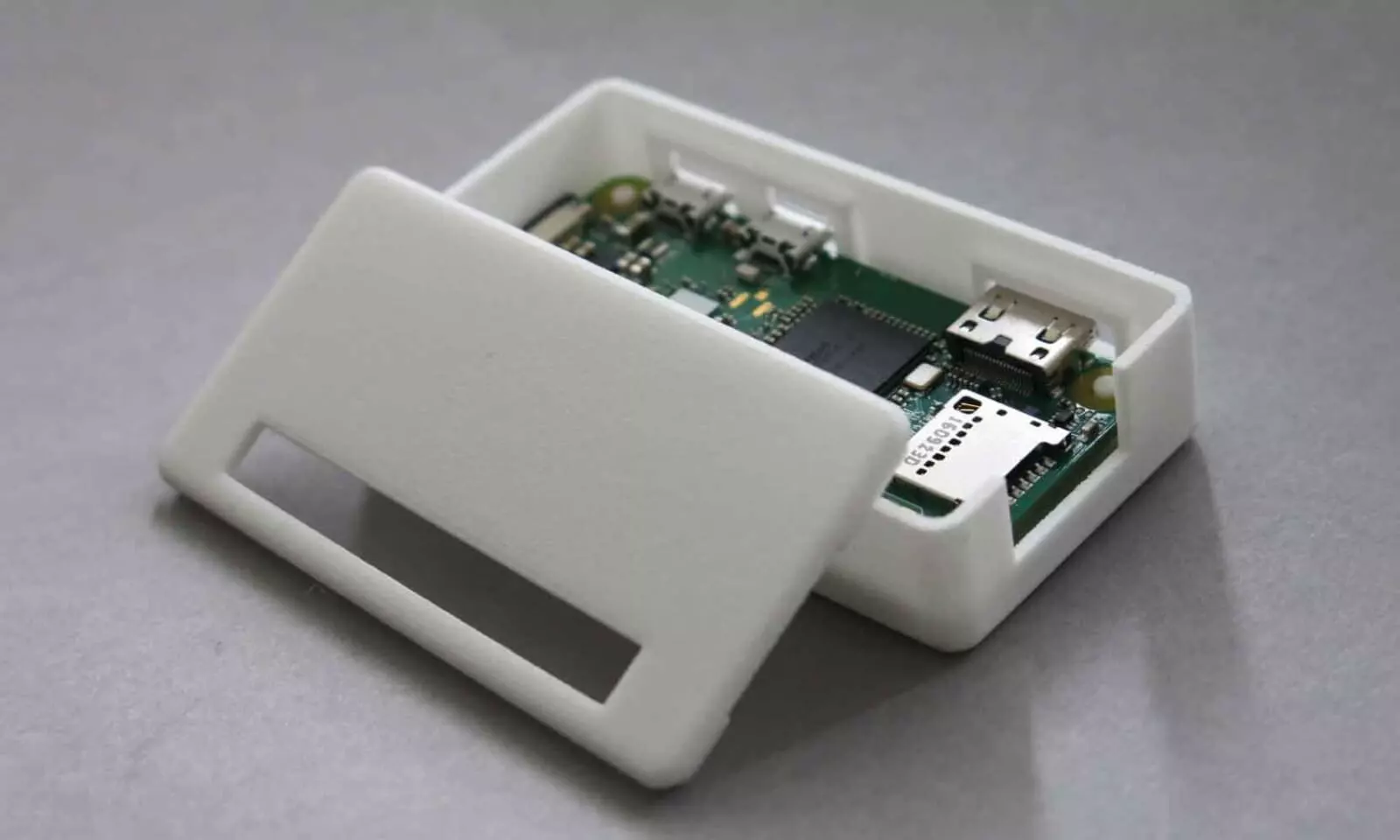
Electronics Products
For enclosures, heatsinks, and customized high-performance components, metal 3D printing offers design freedom and rapid turnaround. Complex internal features, such as cooling fins and lattice structures, are easily achieved for better thermal management.
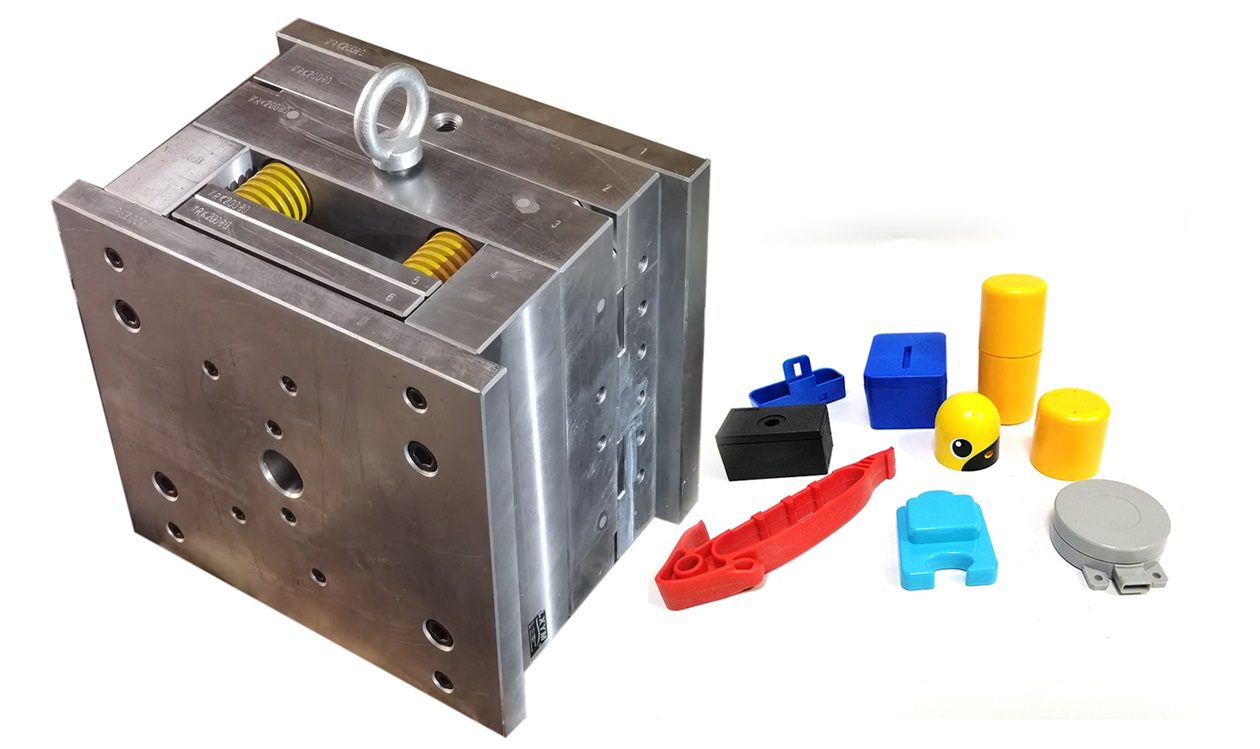
Tooling & Molds
Maraging steel and H13 tool steels can be 3D printed to create conformal cooling channels and complex mold inserts. This improves heat dissipation, shortens cycle times, and extends tool life compared to conventional methods.
Why Use Metal 3D Printing?
Design Freedom
Produce geometries impossible with machining or casting — such as lattice structures, internal cooling channels, and lightweight hollow features. This freedom allows engineers to combine multiple parts into one, cutting assembly steps and potential weak points.
Rapid Prototyping to Production
Go from CAD file to fully functional metal parts in days, not months. Early prototypes can be tested under real conditions, and the same process scales to low-volume production without changing materials or performance.
Material Efficiency
Metal powder is selectively fused layer by layer, reducing waste compared to subtractive methods. This makes it cost-effective for high-value alloys like titanium or Inconel, where material scrap is a major expense.
Performance & Lightweighting
Create parts that are both strong and lightweight, tailored for aerospace, automotive, and medical industries. Optimized structures reduce weight without sacrificing durability, improving fuel efficiency or patient comfort.
Customization at Scale
Each part can be customized without additional tooling cost — from patient-specific implants to bespoke aerospace components. This makes the technology uniquely suited for industries where personalization and precision are essential.
Partner with Us for Metal 3D Printing Services
Our Equipment
CMM
Inspection
High Speed CNC Machines
Double-Head EDM Machines
EDM
Workshop
CNC machining Workshop
Plastic Injection Molding Room
Mirror EDM Machining
Mould Spotting Machine
Plastic Injection Team
Meet Our Expert Team: The Driving Force Behind TDL Mold’s Innovative Solutions.
Our Other 3D Printing Processes
We have additional 3D printing technologies available.
MJF takes powder-bed printing further by using fusing agents and infrared energy for uniform mechanical properties and faster production cycles.
- Short-run production where part consistency matters
- Complex geometries with fine details and smooth, semi-matte finish
- Economical per-part cost at higher volumes compared to SLS
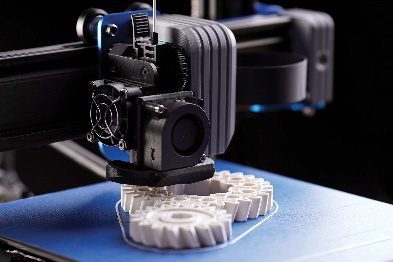
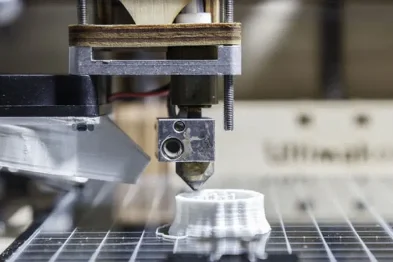
FDM builds parts by extruding molten thermoplastic layer by layer, making it one of the most cost-effective and widely used 3D printing processes.
- Functional prototypes made from engineering-grade plastics like ABS, ASA, or Nylon
- Large, durable parts with good strength for jigs, fixtures, and tooling
- Fast, affordable iterations early in the design cycle
SLS fuses nylon powder using a laser, building parts layer by layer without support structures. This makes it perfect for complex shapes and assemblies.
- Durable, functional prototypes for mechanical testing
- Snap-fit and moving assemblies thanks to excellent strength and flexibility
- Small-batch production without the cost of molds
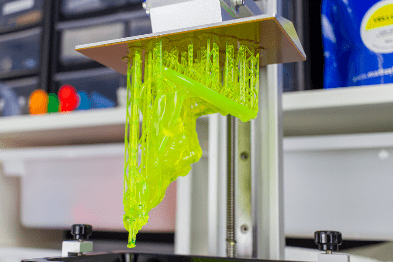
SLA uses a UV laser to cure liquid resin layer by layer, producing parts with exceptional surface finish and fine detail resolution.
- Appearance models and design reviews: parts look almost injection-molded
- Transparent components: can be polished to near-optical clarity
- Intricate geometries: sharp edges and thin walls are accurately reproduced
FAQ's
Metal 3D printing typically achieves dimensional accuracy of ±0.1–0.2 mm depending on the part size, geometry, and material. For critical features requiring tighter tolerances, secondary machining such as CNC milling or grinding can be applied to bring accuracy down to ±0.01 mm. This makes the process suitable not only for prototypes but also for functional end-use components where precision matters.
Metal 3D printed parts generally match the strength of cast components and, with the right heat treatments, can approach or even exceed the properties of wrought or machined parts. Processes like DMLS/SLM produce fully dense parts with mechanical performance suitable for aerospace, medical, and industrial applications. For highly critical uses, secondary processes such as HIP (Hot Isostatic Pressing) or stress relief further improve fatigue resistance and durability, ensuring reliable long-term performance.
Prototype metal 3D printed parts often start at a few hundred dollars per piece, depending on the size, geometry, and material. For production runs, the per-part cost decreases significantly as setup and build expenses are spread across more units. For example, a one-off prototype might cost $300–$800, while low-volume production batches can bring the cost down to $50–$150 per part, depending on quantity and finishing requirements.
We accept standard 3D CAD formats including STEP (.stp, .step), IGES (.igs, .iges), and STL (.stl). For best results, include clear dimensional tolerances, surface finish notes, and any post-processing requirements in your submission. If you’re unsure which format to use, STEP is generally preferred because it preserves the most detail and design intent.
The maximum build size depends on the specific technology and machine used. For most DMLS/SLM systems, the typical build volume is up to 250 × 250 × 300 mm. Larger-format machines can reach around 400 × 400 × 400 mm. If your part exceeds these dimensions, it can often be split into sections, printed separately, and then joined through welding or machining.
For prototype parts, lead times are usually 3–5 business days after receiving your CAD files and confirming requirements. Low-volume production runs generally take 1–2 weeks, depending on part complexity, material, and any post-processing such as heat treatment, machining, or surface finishing.