CNC Turning Services
Get high-precision CNC-turned prototypes and production parts with tolerances down to ±0.01 mm. Lead times as fast as 1–3 days.
✓ ISO 9001-certified quality ✓ CMM inspection reports available ✓ Lead times as fast as 1–3 days
CNC Turning Service
What is CNC Turning?
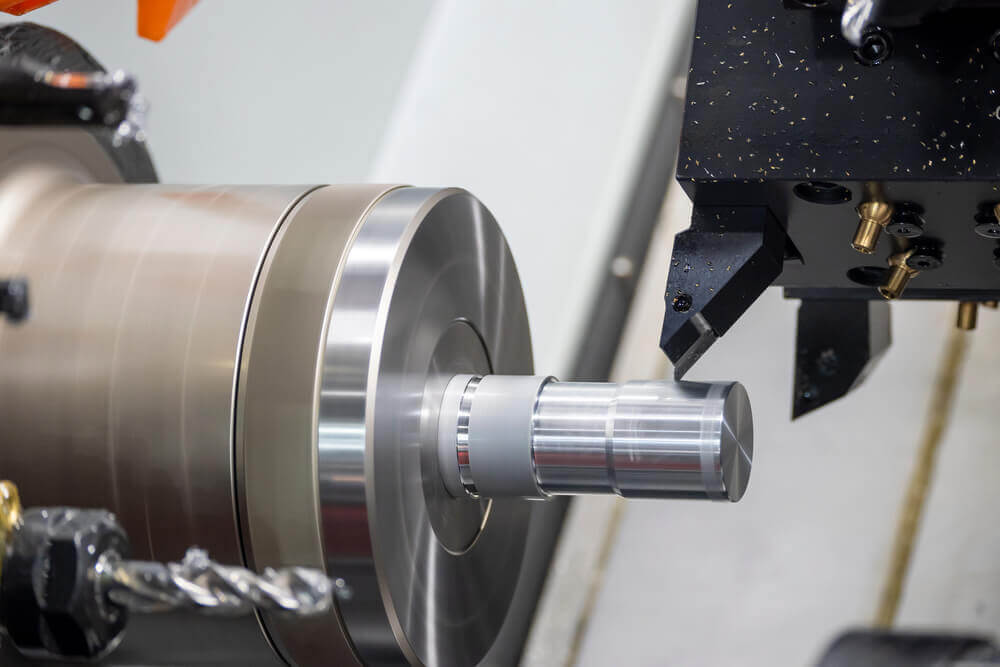
CNC turning is a machining process we use to produce precise cylindrical parts by rotating the workpiece against a fixed cutting tool. This method excels at creating shafts, bushings, threaded fittings, and other round components with tight dimensional control and excellent surface finish.
At our facility, CNC turning is not just for prototypes — we run it for one-off parts, bridge production, and full-scale batches, keeping tolerances as tight as ±0.01 mm when required. This means you can test designs quickly, then scale to production without switching suppliers.
Our CNC Turning Capabilities
Capability | Specification |
|---|---|
Max Turning Diameter | Up to 300 mm (12 in) – suitable for most shafts, sleeves, and housings |
Max Turning Length | Up to 500 mm (20 in) – supports both short and extended components |
Tolerances Achievable | As tight as ±0.01 mm, depending on geometry and material |
Supported Part Types | Shafts, bushings, spacers, threaded fittings, pulleys, precision rings |
Quantity Range | From 1-off prototypes to 10,000+ production parts |
Materials We Support
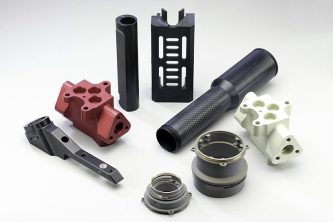
We stock and machine a wide range of metals and engineering plastics to meet diverse project needs — from lightweight prototypes to high-strength production parts.
Metals
Aluminum
Lightweight with excellent machinability and corrosion resistance. 6061 is versatile and cost-effective for brackets, housings, and frames. 7075 offers higher strength, making it suitable for aerospace and performance-critical components where weight reduction is key.
Stainless Steel
Known for excellent corrosion resistance and strength. 304 is ideal for general applications such as food processing equipment, while 316 provides superior resistance to chemicals and saltwater, perfect for medical devices and marine hardware.
Brass & Copper
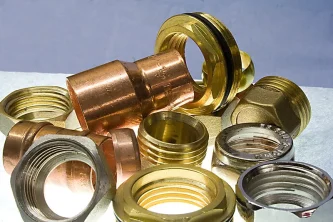
Easy to machine with smooth surface finishes. Brass is excellent for precision fittings, valves, and decorative parts, while copper’s thermal and electrical conductivity makes it ideal for bus bars, connectors, and heat-dissipating components.
Mild & Alloy Steel
Strong, tough, and economical. Mild steel works well for prototypes and general-purpose parts, while alloy steels can be heat-treated for added hardness, making them suitable for wear-resistant shafts and structural parts.
Titanium
Offers the highest strength-to-weight ratio among metals we machine. Frequently used for aerospace brackets, medical implants, and high-performance automotive parts where strength, weight, and corrosion resistance are critical.
Plastics
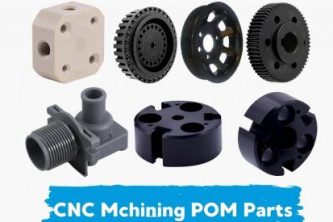
POM (Delrin)
A low-friction engineering plastic with excellent dimensional stability. Perfect for gears, bushings, and moving assemblies where smooth motion and wear resistance are essential.
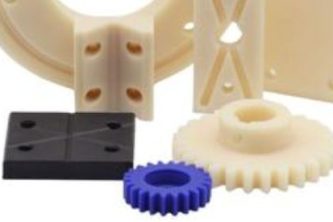
Nylon (PA6, PA66)
Strong, tough, and wear-resistant, making it ideal for mechanical components like pulleys, rollers, and structural spacers. Can be glass-filled for added stiffness and strength.
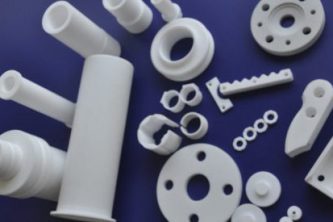
PTFE (Teflon)
Exceptional chemical resistance and a very low coefficient of friction. Works well for seals, gaskets, and insulating components exposed to high heat or corrosive media.
ABS & Acrylic
Both are great for lightweight and visual prototypes. ABS is impact-resistant and easy to machine, while acrylic offers optical clarity, perfect for transparent covers, display windows, and light guides.
All materials can be supplied with material certificates (COC) and RoHS/REACH compliance documents on request, ensuring traceability for regulated industries.
Surface Finishes
As-Turned
Standard finish straight off the machine, with visible tool marks. Suitable for functional prototypes where surface appearance is not critical.
Bead Blasting
Creates a uniform matte texture, reduces glare, and hides minor tool marks — ideal for cosmetic housings or exposed components.
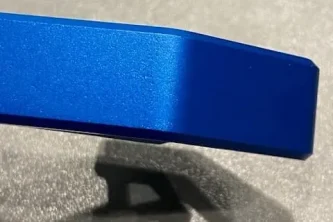
Anodizing
Adds a protective oxide layer to aluminum parts, improving corrosion resistance and allowing custom colors for branding or visual coding.
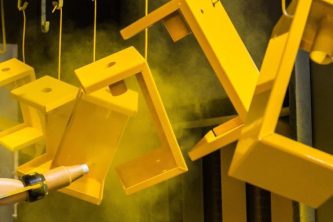
Powder Coating
Provides a durable, uniform colored surface that resists scratches and chemicals. Recommended for production parts that require long-term protection.
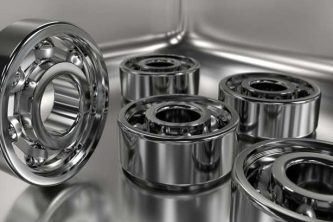
Electroplating
Electroplating adds decorative or functional metal layers (nickel, chrome), while passivation improves stainless steel corrosion resistance for medical or food-grade applications.
Why Choose Us
Tight Tolerances You Can Trust
Our CNC turning centers hold tolerances down to ±0.01 mm, with continuous machine calibration and in-process inspection to ensure repeatable accuracy.
Rapid Turnaround
Lead times as fast as 1–3 days for prototypes and small batches. Parallel machine setups allow us to scale up quickly when you need higher volumes.
Material & Finish Flexibility
From aluminum and stainless steel to engineering plastics, plus anodizing, bead blasting, and plating — we deliver parts that match your design intent.
Certified Quality Processes
ISO 9001-certified facility, CMM inspection reports, and material traceability available for every order. Perfect for regulated industries like aerospace, medical, and automotive.
DFM Support
Our engineers review every design before machining, helping you avoid costly design issues and shorten product development cycles.
Partner with us for CNC turning Services
CNC Milling vs. CNC Turning
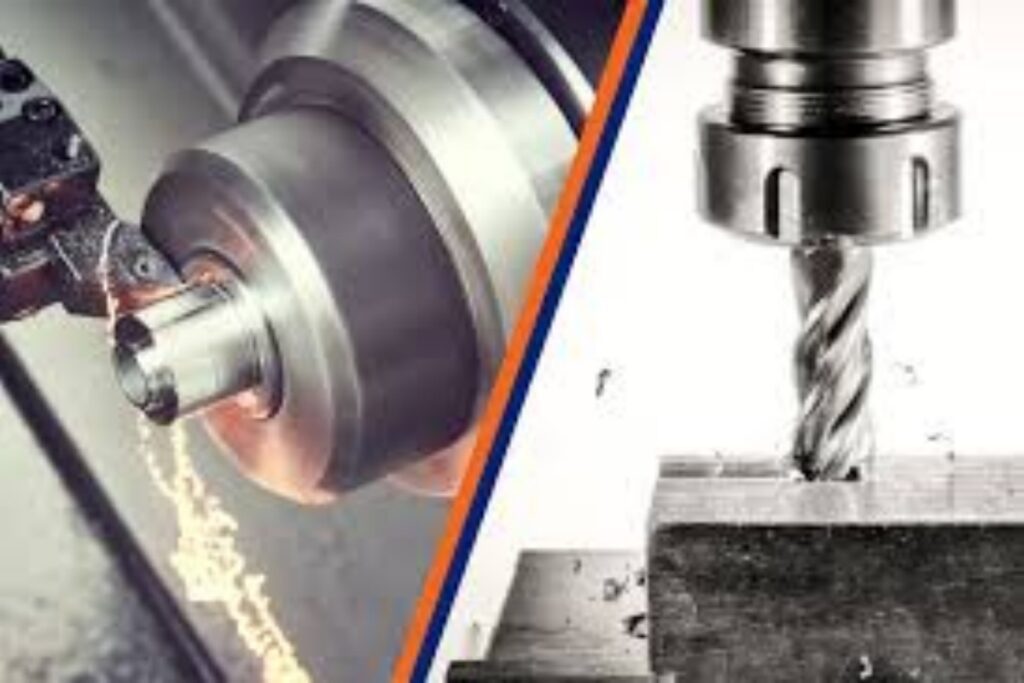
CNC turning and CNC milling are both essential machining processes, but they’re used for different types of parts. Turning is the go-to choice for cylindrical components like shafts, bushings, pins, and threaded parts. The workpiece spins while a cutting tool removes material, giving you excellent roundness and concentricity.
Milling, on the other hand, is better suited for flat faces, pockets, and complex 3D features. The cutting tool rotates while the part stays in place, allowing you to create slots, contours, and multi-face features in a single setup.
Many projects actually require a combination of both. If your part needs turning service for its outer profile and milling service for features like keyways or drilled holes
Our Equipment
CMM
Inspection
High Speed CNC Machines
Double-Head EDM Machines
EDM
Workshop
CNC machining Workshop
Plastic Injection Molding Room
Mirror EDM Machining
Mould Spotting Machine
Plastic Injection Team
Meet Our Expert Team: The Driving Force Behind TDL Mold’s Innovative Solutions.
FAQ's
We can hold tolerances as tight as ±0.01 mm (±0.0004 in) on most geometries. Actual achievable tolerance depends on the part’s size, material, and complexity. For critical dimensions, we recommend sharing detailed drawings so our engineers can review and confirm feasibility before production.
For most CNC-turned prototypes, lead times are as fast as 1–3 business days. Small-to-medium production runs typically ship within 5–7 days. Complex parts with special finishes or tight inspection requirements may take slightly longer, but we can run multiple machines in parallel to meet urgent deadlines.
We work with a wide range of metals and engineering plastics to support prototypes and production runs.
Metals:
Aluminum (6061, 7075), Stainless Steel (304, 316), Mild Steel, Alloy Steel, Brass, Copper, Titanium — ideal for housings, shafts, bushings, and high-strength components.
Plastics:
POM (Delrin), Nylon, PTFE (Teflon), ABS, Acrylic — great for gears, pulleys, insulating parts, and lightweight prototypes.
Material certificates (COC) and RoHS/REACH compliance documents are available on request.
Yes. We can produce a single prototype, a small batch, or thousands of parts using the same CNC turning process. This means you can start with one-off parts for testing and smoothly scale up to bridge production or full-volume manufacturing without changing suppliers.
Yes. We can provide CMM inspection reports, First Article Inspection (FAI) documentation, and dimensional measurement summaries for critical parts. Material certificates (COC) and compliance documents such as RoHS and REACH are available on request. Our facility is ISO 9001-certified, and every order is traceable from raw material to finished part.
Our CNC turning centers can handle parts up to 300 mm (12 in) in diameter and 500 mm (20 in) in length. For smaller components, we use precision collet chucks and live tooling to maintain tight tolerances. If you have parts outside these ranges, share your drawings and we’ll confirm feasibility or suggest the best solution.
We accept STEP (.stp, .step), IGES (.igs, .iges), STL, DWG, and PDF technical drawings for quoting and manufacturing. For best results, provide a 3D CAD file along with a 2D drawing that specifies critical dimensions and tolerances. This helps us generate an accurate quote and ensures your parts meet design requirements.